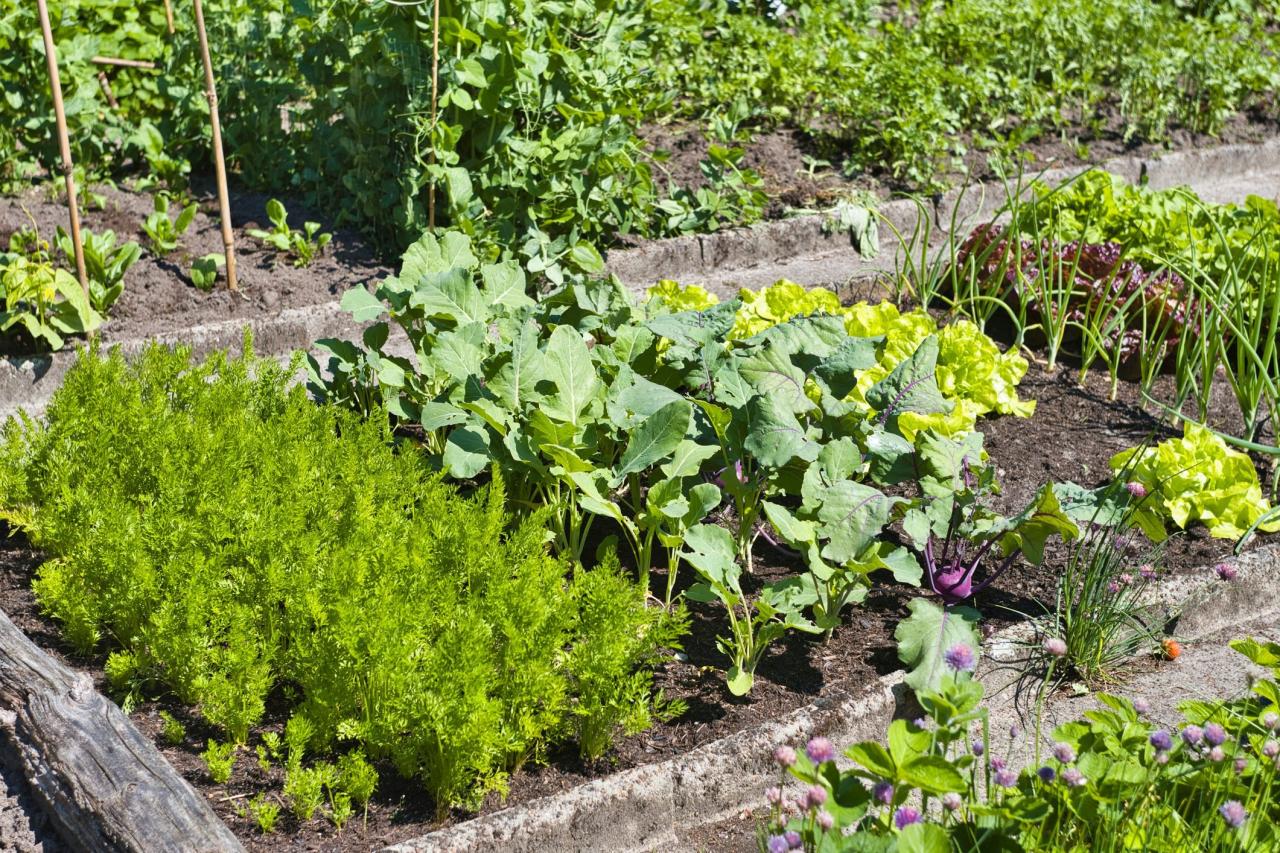
Organic gardening at home is not just a hobby; it’s a lifestyle choice that embraces sustainability and health. Growing your own fruits, vegetables, and herbs allows you to enjoy fresh produce while minimizing your environmental footprint. Whether you’re just starting or looking to enhance your existing garden, the principles of organic gardening promote biodiversity and soil health, ensuring your garden thrives naturally.
This approach to gardening emphasizes the use of natural methods and materials, offering a fulfilling way to connect with the earth. With the right tools, techniques, and dedication, anyone can cultivate their own organic garden, enjoying both the process and the harvest.
Introduction to Organic Gardening at Home
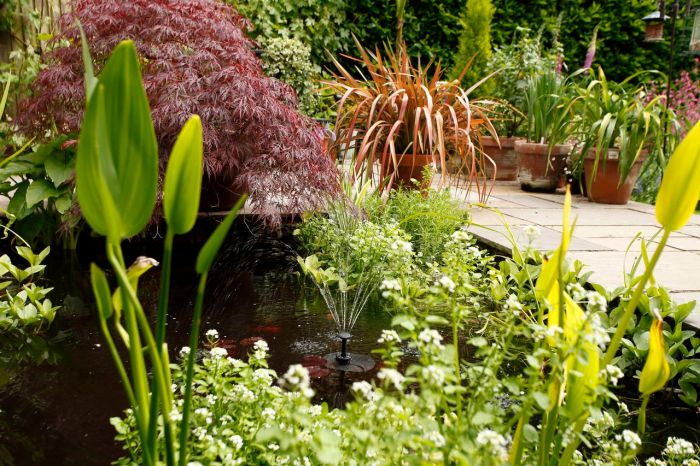
Organic gardening is a sustainable approach to cultivating plants that prioritizes natural processes and materials, avoiding synthetic fertilizers and pesticides. This method not only improves the quality of the food produced but also enhances the health of the surrounding ecosystem. By embracing organic gardening, individuals contribute to the reduction of environmental pollutants and promote biodiversity.Sustainable practices in home gardening are crucial for minimizing negative impacts on the environment.
They involve methods that maintain soil health, conserve water, and support local wildlife. Home gardeners can create a thriving habitat by implementing organic gardening techniques, ensuring that their gardens are both productive and ecologically responsible.
Methods Used in Organic Gardening
Organic gardening utilizes a variety of methods to enhance plant growth while working in harmony with nature. These methods focus on maintaining a healthy soil ecosystem and promoting plant health. Understanding these techniques is essential for anyone looking to cultivate their own organic garden.The core practices of organic gardening include:
- Composting: This involves recycling organic matter, such as kitchen scraps and yard waste, to create nutrient-rich soil amendments. Composting improves soil structure and fertility, encouraging healthy plant growth.
- Crop Rotation: By alternating the types of plants grown in a particular area, gardeners can prevent soil depletion and reduce pest and disease buildup. This practice enhances soil health and increases crop yields over time.
- Natural Pest Control: Instead of chemical pesticides, organic gardeners employ methods such as introducing beneficial insects, using insecticidal soaps, or planting pest-repellent plants to manage pest populations effectively.
- Mulching: Applying a layer of organic material on the soil surface helps retain moisture, suppress weeds, and improve soil quality as the mulch decomposes. Mulching also moderates soil temperature, creating a favorable environment for plant roots.
- Organic Fertilizers: Utilizing natural fertilizers like manure, bone meal, or fish emulsion provides essential nutrients without the harmful effects associated with synthetic fertilizers. These organic options promote a balanced soil ecosystem.
Through these methods, organic gardening not only supports healthy food production but also fosters a sustainable relationship with the environment. Each practice contributes to building a resilient garden that thrives year after year.
Essential Tools and Equipment
Creating an organic garden at home requires not just passion and knowledge, but also the right tools and equipment. Having the right tools can make gardening easier and more enjoyable while supporting sustainable practices. Whether you’re a seasoned gardener or a beginner, knowing which tools are essential will help you cultivate your plants effectively.Selecting eco-friendly gardening tools is crucial for maintaining the integrity of your organic garden.
Tools made from sustainable materials reduce your carbon footprint and help promote an environmentally friendly gardening practice. Here are some factors to consider when choosing eco-friendly tools:
- Look for tools made from recycled or sustainably sourced materials, such as bamboo or recycled steel.
- Opt for products free from harmful chemicals, ensuring safety for your plants and the ecosystem.
- Prioritize durability to minimize waste and ensure tools last for several seasons.
Necessary Tools for Organic Gardening
Having the right tools can significantly impact the success of your organic gardening endeavors. Below is a list of essential tools that can help you create and maintain your garden effectively.
- Hand Trowel: A versatile tool for digging, transplanting, and potting. Its compact size makes it ideal for small spaces.
- Pruning Shears: Essential for trimming and shaping plants, promoting healthy growth while preventing disease.
- Garden Fork: Perfect for turning soil and aerating your garden beds, this tool helps improve soil structure.
- Hoe: Useful for breaking up soil and removing weeds. Look for a hoe with a sturdy handle for optimal leverage.
- Rake: A must-have for leveling soil and gathering leaves. Choose a lightweight model to make the task easier.
- Watering Can: While hoses are useful, a watering can allows for precision when watering delicate plants.
Comparative Table of Gardening Tools
Understanding the various tools and their specific uses can enhance your gardening experience. The following table provides a quick comparison of popular gardening tools and their primary functions.
| Tool | Function |
|---|---|
| Hand Trowel | Digging and transplanting |
| Pruning Shears | Trimming and shaping plants |
| Garden Fork | Aerating and turning soil |
| Hoe | Weeding and soil cultivation |
| Rake | Leveling soil and gathering debris |
| Watering Can | Precision watering of plants |
Choosing the right tools is essential for cultivating a successful organic garden. Invest in quality, eco-friendly tools to ensure sustainable gardening practices.
Soil Preparation and Fertilization
Preparing the soil is a crucial step in establishing a successful organic garden. The health of your soil directly influences the growth and productivity of your plants, making it essential to invest time and resources in its preparation. This involves understanding the composition of your soil and making necessary amendments to boost its fertility and structure.To start, it is vital to assess the current condition of your soil.
Testing for pH levels, nutrient content, and organic matter can help you determine what amendments are needed. Healthy soil should have a balance of sand, silt, clay, and organic matter, creating a fertile environment for plant growth.
Organic Fertilizers and Their Applications
Organic fertilizers enhance soil fertility and promote sustainable gardening practices. They are derived from natural sources, providing essential nutrients without the harmful effects of synthetic chemicals. Common organic fertilizers include compost, manure, bone meal, and fish emulsion. Each of these has specific applications that can benefit your organic garden.For example, compost not only improves soil structure but also adds a wealth of nutrients.
When using compost, aim to mix it into your soil a few weeks before planting to allow for nutrient integration. Manure, on the other hand, is rich in nitrogen and can be applied as a side dressing during the growing season.
Natural Amendments for Enriching Soil
In addition to organic fertilizers, there are various natural amendments that can significantly enrich your soil. These amendments can improve soil texture, drainage, and nutrient availability. Understanding their benefits can help you choose the right ones for your garden.Here is a list of beneficial natural amendments:
- Compost: Improves soil structure and nutrient content.
- Worm castings: Provides valuable nutrients and enhances microbial activity.
- Bone meal: A slow-release source of phosphorus for root and flower development.
- Fish emulsion: A liquid fertilizer that provides essential nutrients quickly.
- Rock phosphate: Supplies phosphorus and encourages root growth.
- Kelp meal: Contains trace minerals and growth hormones that boost plant health.
- Green manure: Plants like clover or vetch can be tilled back into the soil to improve fertility.
These amendments can be incorporated into your soil before planting or used as top dressings throughout the growing season. Regularly enriching your soil with these natural amendments will lead to a thriving, productive organic garden.
Selecting Plants for Organic Gardening
Choosing the right plants for your organic garden is essential for success and sustainability. Selecting plants that thrive in your local environment not only enhances the aesthetic appeal of your garden but also ensures better yields and less maintenance. When you grow plants suited to your climate and soil conditions, you create a thriving ecosystem that minimizes pest problems and maximizes growth potential.Understanding local flora is key to selecting plants that will flourish in your organic garden.
Native plants are particularly advantageous because they are naturally adapted to local conditions, require less water, and are more resistant to pests and diseases. By choosing native species, you can create a diverse habitat that supports beneficial insects and wildlife, ensuring a balanced ecosystem.
Best Plants for Organic Gardening
Here is a selection of plants that are well-suited for organic gardening. These plants not only thrive in a variety of conditions but also contribute to a healthy garden environment.
- Tomatoes: Great for home gardens, these sun-loving plants are productive and can be grown in containers or raised beds.
- Peppers: Available in various types, peppers are easy to grow and can add vibrant colors to your garden.
- Herbs: Basil, cilantro, and parsley are excellent choices for organic gardening, providing fresh flavors for your meals.
- Leafy Greens: Spinach and kale are nutrient-rich options that grow quickly and can be harvested multiple times.
- Native Wildflowers: Incorporating native flowers can attract pollinators and beneficial insects, enhancing the biodiversity of your garden.
Choosing Native Plants
Selecting native plants can significantly increase the resilience and productivity of your organic garden. These plants have adapted to the local climate, soil, and pest conditions over time, which means they usually require less care, watering, and fertilization.When choosing native plants, consider the following factors to ensure optimal growth:
- Climate: Select plants that are adapted to your local temperature and rainfall patterns.
- Soil Type: Make sure the selected plants can thrive in the soil you have, whether sandy, clay, or loamy.
- Sunlight: Determine how much sunlight your garden area receives and choose plants that match those light conditions.
- Water Needs: Look for native plants that have similar water requirements to avoid over-watering or drought stress.
Comparison of Plant Growth Requirements
Understanding the growth requirements of various plants can help in making informed choices for your organic garden. The table below compares some common plants, their sunlight needs, watering frequency, and soil preferences.
| Plant | Sunlight Requirements | Watering Frequency | Soil Preference |
|---|---|---|---|
| Tomato | Full sun (6-8 hours) | Every 1-2 days | Well-drained, rich soil |
| Bell Pepper | Full sun (6-8 hours) | Every 2-3 days | Loamy, well-drained |
| Kale | Partial to full sun | Every 3-4 days | Moist, well-drained soil |
| Basil | Full sun (6-8 hours) | Every few days | Rich, well-drained soil |
“Selecting the right plants not only increases your garden’s yield but also promotes a healthier ecosystem.”
Pest and Disease Management
Maintaining a thriving organic garden requires vigilance and knowledge, especially in managing pests and diseases without the use of synthetic chemicals. Understanding organic methods for pest control is essential for a sustainable gardening practice that promotes healthy plants and a balanced ecosystem.Organic gardening emphasizes the use of natural methods to keep pests at bay and to manage plant diseases effectively.
This approach not only reduces chemical exposure but also encourages biodiversity, which can enhance the resilience of your garden. Monitoring your plants regularly for signs of pests and diseases will allow for early intervention, often preventing larger issues down the road.
Organic Pest Control Methods
Employing various organic pest control methods can significantly help in managing unwanted visitors in your garden. Here are some effective strategies:
Handpicking
Regularly inspect plants and remove pests by hand. This method is particularly effective for larger insects like caterpillars and slugs.
Companion planting
Certain plants can repel pests naturally when grown alongside your primary crops. For instance, marigolds are known to deter nematodes, while basil can ward off flies and mosquitoes.
Beneficial insects
Introducing or encouraging beneficial insects, such as ladybugs and lacewings, can help control aphid populations.
Neem oil
Derived from the seeds of the neem tree, neem oil is an effective natural insecticide that disrupts the life cycle of pests.
Diatomaceous earth
This powdery substance can be sprinkled around plants to deter soft-bodied insects, as it damages their exoskeletons and leads to dehydration.
Essential oils
Sprays made from essential oils, like peppermint or clove, can repel pests effectively without harming the plants or beneficial insects.
Identifying and Managing Common Plant Diseases
Understanding how to identify and manage common plant diseases is crucial for maintaining a healthy garden. Here are some detailed procedures for diagnosis and treatment:
1. Fungal Diseases
Spotting signs such as powdery mildew or rust-colored spots on leaves can indicate fungal infections. Treatments include:
Removing infected leaves immediately to prevent spread.
Applying organic fungicides like baking soda solutions or sulfur sprays.
2. Bacterial Diseases
Symptoms often include wilting or yellowing leaves. Management includes:
Improving air circulation around plants to reduce humidity.
Sanitizing tools before and after use to prevent spreading bacteria.
3. Viral Diseases
Recognizable by distorted leaves and stunted growth, these are often spread by pests. Control methods include:
Removing infected plants as soon as they are identified.
Controlling aphid populations that may transfer viruses from plant to plant.
Natural Pest Deterrents
Utilizing natural pest deterrents is an effective way to protect your garden. Below is a list of some common deterrents and their effectiveness:Natural Deterrent | Effectiveness
—————–|————–
Garlic Spray | Effective against aphids, spider mites, and cabbage worms; the strong odor repels many pests.Pepper Spray | Deters a variety of insects; the spiciness can irritate pests and discourage feeding.Soap Spray | Works well on soft-bodied insects like aphids and spider mites; suffocates pests without harming plants.Cinnamon | Helps prevent fungal diseases and deters pests like ants and snails due to its strong aroma.Coffee Grounds | Acts as a repellent for slugs and snails while enriching the soil with nutrients.Essential Oils | Different oils like peppermint and rosemary can repel various pests; effectiveness varies by oil type.By integrating these organic methods into your gardening routine, you can create a balanced ecosystem that not only protects your plants but also supports a healthier environment.
Watering and Irrigation Techniques
In organic gardening, effective watering and irrigation are crucial for plant health and sustainability. Proper techniques not only promote growth but also conserve water, making your garden more efficient and environmentally friendly. Understanding the different methods available can help you create a thriving garden while minimizing water waste.Irrigation practices vary widely, and the choice often depends on the specific needs of your plants, local climate, and available resources.
Here are several watering techniques that align well with organic gardening principles:
Drip Irrigation
Drip irrigation is an efficient watering method that delivers water directly to the roots of plants. This technique minimizes evaporation and runoff, ensuring that plants receive the moisture they need without wasting water. It is especially beneficial in arid regions where water conservation is essential.
Soaker Hoses
Soaker hoses are another effective option for organic gardeners. They allow water to seep out slowly along their length, providing moisture directly to the soil. This method is particularly useful for row crops or garden beds, ensuring that water penetrates deep into the soil without saturating the surface.
Rainwater Harvesting
Collecting rainwater is a sustainable practice that not only conserves water but also provides plants with chlorine-free moisture. Setting up a rain barrel can help you capture runoff from your roof during rainy days, providing a natural source of irrigation for your garden.
Importance of Water Conservation in Home Gardens
Water conservation is vital for maintaining a healthy garden and supporting environmental sustainability. By implementing efficient watering practices, gardeners can reduce their ecological footprint and contribute to water preservation efforts. Furthermore, conserving water can lead to cost savings on utility bills, making it a win-win for both the gardener and the environment.To better understand the differences between traditional irrigation methods and organic practices, consider the following table:
| Method | Traditional Practices | Organic Practices |
|---|---|---|
| Watering Timing | Midday watering often leads to evaporation loss. | Early morning or late afternoon watering maximizes absorption. |
| Irrigation Type | Overhead sprinklers with potential overwatering. | Drip or soaker hoses targeting roots directly. |
| Water Source | Municipal water supply reliant on chemical treatment. | Use of rainwater or reclaimed water reducing chemical exposure. |
| Soil Moisture Monitoring | Frequent, time-consuming checks. | Use of moisture sensors or simple finger tests for efficiency. |
“Efficient watering not only supports plant health but also plays a crucial role in conserving our precious water resources.”
Green Living and Home Gardening Integration
Embracing organic gardening not only enhances your garden but significantly contributes to a greener lifestyle. By fostering sustainable practices, you create a harmonious balance between your home, environment, and personal well-being. This synergy is essential for reducing your carbon footprint and promoting a healthier planet.Organic gardening aligns seamlessly with various sustainable home practices, allowing you to cultivate an eco-friendly lifestyle.
The following points illustrate how integrating these practices can enhance your green living experience:
Integration of Organic Gardening with Sustainable Home Practices
Incorporating organic gardening into your everyday life can be an enriching experience that complements various sustainable home practices. Here are key areas where these elements overlap:
- Composting: Converting kitchen scraps and yard waste into nutrient-rich compost minimizes landfill waste while enriching your garden soil. This practice not only decreases waste but supports healthy plant growth.
- Rainwater Harvesting: Collecting rainwater for irrigation reduces dependence on municipal water systems. Implementing rain barrels to capture runoff from rooftops provides a sustainable water source for your organic garden.
- Natural Pest Control: Utilizing biological pest control methods, such as introducing beneficial insects or employing companion planting, fosters a balanced ecosystem without the use of harmful chemicals.
- Energy Conservation: Growing your own food reduces energy consumption associated with transporting produce. Additionally, using energy-efficient gardening tools and practices helps conserve resources.
- Eco-friendly Materials: Choosing sustainable materials for garden structures and furniture, like reclaimed wood or natural fibers, promotes sustainability in your gardening space.
Relationship Between Home Furniture Choices and Organic Gardening Spaces
The selection of home furniture can play a vital role in enhancing your organic gardening experience. Thoughtfully chosen furnishings can seamlessly integrate indoor and outdoor spaces, creating a cohesive environment that promotes relaxation and appreciation for nature.When selecting furniture for areas adjacent to your garden, consider the following aspects:
- Natural Materials: Opt for furniture made from sustainable materials like bamboo or reclaimed wood, as these choices reduce environmental impact while adding aesthetic beauty to your gardening space.
- Multi-functional Pieces: Incorporating furniture that serves dual purposes, such as benches with storage for gardening tools, maximizes space while promoting organization in your gardening area.
- Outdoor Living Spaces: Creating comfortable outdoor seating areas encourages you to spend more time in your garden. This connection enhances your appreciation for the efforts you put into organic gardening.
- Color Palette: Choosing colors that reflect nature, such as greens and earthy tones, can harmonize your indoor living space with your gardening area, fostering a sense of tranquility.
- Accessibility: Ensure that furniture arrangements allow for easy access to garden beds and tools. This practicality enhances the gardening experience by making maintenance tasks more manageable.
Seasonal Gardening
Understanding seasonal gardening is essential for successful organic gardening at home. By planting and harvesting at the right times, gardeners can maximize their yields and maintain healthy plants throughout the year. This involves knowing the specific climate of your region and how different crops respond to seasonal changes.A seasonal calendar helps in planning and executing the planting and harvesting of various organic crops effectively.
It allows gardeners to align their efforts with the natural growth patterns of plants, ensuring the right conditions for germination, growth, and maturity.
Seasonal Calendar for Planting and Harvesting
The seasonal calendar varies by climate zone, but here’s a general guide for temperate regions that can be adjusted according to local conditions:
| Season | Planting | Harvesting |
|---|---|---|
| Spring | Peas, lettuce, spinach, radishes, and carrots | Early spring crops like peas and radishes |
| Summer | Tomatoes, peppers, cucumbers, zucchini, and beans | Late spring to summer crops like tomatoes and zucchini |
| Fall | Garlic, kale, broccoli, and winter squash | Harvesting summer crops and early fall crops like kale |
| Winter | Cover crops and planning for spring | Harvesting any remaining root vegetables |
Maintaining Plants Through Different Seasons
Each season presents unique challenges and maintenance needs for plants. Here are some key maintenance practices:
Spring
Begin with soil preparation, including tilling and fertilizing. Ensure consistent watering as temperatures rise, and start pest management efforts early.
Summer
Regularly check for pests and diseases, provide adequate irrigation during dry spells, and support tall plants as they grow. Mulching can help retain moisture.
Fall
Prepare beds for winter by planting cover crops, harvesting as crops reach maturity, and cleaning up spent plants to prevent pests.
Winter
Continue to monitor and protect any overwintering crops. Plan for the next planting cycle and maintain tools and equipment.
Seasonal Gardening Tasks to Prioritize
To keep your garden thriving throughout the seasons, it’s essential to prioritize specific tasks. Here are key gardening tasks categorized by season:
Spring Tasks
Soil testing and amendment
Planting early crops
Starting seeds indoors for summer crops
Summer Tasks
Regular watering and mulching
Monitoring for pests and diseases
Pruning and supporting plants
Fall Tasks
Harvesting mature crops
Soil preparation for winter
Planting cover crops
Winter Tasks
Tool maintenance and storage
Planning garden layout and crop rotation for the next year
Researching new varieties to try in the upcoming season
“Understanding the seasonal rhythms of your garden is key to successful organic gardening.”
Home Inspections for Organic Gardens
Inspecting your garden area is a vital practice that plays a significant role in maintaining the health and productivity of your organic garden. Regular inspections allow you to identify potential issues before they escalate, ensuring that your plants thrive in a healthy environment. By being proactive, you can create a sustainable ecosystem, enhancing the overall quality and yield of your garden.A well-conducted home inspection for your organic garden involves paying close attention to various aspects of the garden environment.
Regular checks help in spotting signs of distress in plants, soil problems, and pest infestations. By understanding how to assess these areas, you can take appropriate actions to nurture your garden’s health.
Common Issues to Look For During Home Inspections
Identifying common issues during garden inspections helps in developing a robust gardening strategy. Here are some key areas to focus on:
- Pest Infestations: Look for unusual patterns on leaves, such as holes or discoloration, which may indicate pest presence. Regularly check the undersides of leaves and stems for pests like aphids or spider mites.
- Soil Quality: Check for signs of compaction, poor drainage, or lack of organic matter. Healthy soil should be crumbly and dark, indicating good organic content. You can assess soil quality by conducting a simple squeeze test to see how well it holds together.
- Plant Health: Examine your plants for wilting, yellowing leaves, or stunted growth. These symptoms can indicate nutrient deficiencies or water-related issues. Always inspect the root system, as it is crucial for overall plant health.
- Weed Growth: Excessive weeds can compete with your garden plants for nutrients and water. Regularly inspect for any invasive plant species that may threaten your garden’s ecosystem.
Assessing Garden Health and Soil Quality
Evaluating garden health and soil quality is essential for successful organic gardening. Understanding the following techniques can provide significant insights into your garden’s condition:
Visual Inspection
Regularly examine your plants for overall vigor. Healthy plants exhibit robust growth, rich color, and resilience to stress. Pay attention to growth patterns and any discrepancies that might signal problems.
Soil Testing
Utilize a soil testing kit to measure pH levels and nutrient content. Ideal pH for most garden plants ranges from 6.0 to 7.0. Testing will help identify any necessary amendments to enhance soil fertility.
Observation of Microorganisms
Healthy soil should be alive with microorganisms. Look for earthworms and beneficial insects as indicators of rich, organic soil. Their presence suggests that your soil is teeming with life, which is vital for nutrient cycling.
Plant Diversity
A diverse planting strategy can enhance resilience against pests and diseases. Observing the types of plants that thrive can inform future planting decisions and contribute to a balanced garden ecosystem.
Regular inspections are the key to a thriving organic garden, allowing you to address problems early and maintain a healthy growing environment.
Designing Organic Garden Spaces
Creating an organic garden space is not just about growing plants; it’s about designing an environment that supports biodiversity, enhances the aesthetic appeal of your home, and maximizes your garden’s productivity. Thoughtful layout and planning can lead to a more efficient garden that thrives with minimal input. An efficient garden layout considers the specific needs of various plants while optimizing the available space.
One of the key principles to consider is companion planting, where certain plants are positioned together to enhance growth, deter pests, and improve overall yield. This approach not only helps with space utilization but also fosters a healthier garden ecosystem.
Recommended Garden Layouts Based on Plant Types and Growth Patterns
When designing your organic garden, it’s beneficial to consider various layouts depending on the types of plants you intend to grow. Below is a table that offers insights into different garden layouts tailored for specific plant categories and their growth habits:
| Layout Type | Best For | Description |
|---|---|---|
| Raised Beds | Vegetables, Herbs | Raised beds improve drainage and soil warmth, making them ideal for vegetables and herbs. They can increase yield per square foot and make maintenance easier. |
| Vertical Gardens | Climbing Plants, Space-Saving | Vertical gardening uses trellises or wall-mounted planters, perfect for optimizing small spaces. Great for beans, peas, and other climbing plants. |
| Companion Planting Rows | Mixed Crops | This layout intersperses complementary plants (like tomatoes with basil) to maximize space and enhance growth through mutual benefits. |
| Polyculture Beds | Fruit, Vegetables, Flowers | In a polyculture layout, various plants grow together in a single bed, supporting each other’s growth and providing habitat for beneficial insects. |
| Herb Spiral | Herbs | A spiral design allows for microclimates, making it possible to grow a variety of herbs in one compact area with different moisture and light conditions. |
Incorporating companion planting principles into these layouts can significantly enhance your garden’s productivity. For example, planting marigolds among your vegetables can deter nematodes and other pests, while beans can fix nitrogen in the soil, benefiting neighboring crops.
“Good planning combines efficient space use with nature’s wisdom.”
Heating and Air Conditioning’s Role in Gardening
Home heating and cooling systems play a significant role in maintaining optimal conditions for indoor gardening. The environment created by these systems directly influences plant health, growth rates, and the overall success of your gardening efforts. Understanding how to manage temperature and airflow can lead to a thriving indoor garden, even in less than ideal external weather conditions.Temperature control is essential for seed germination, as different seeds require specific warmth to sprout successfully.
Too much heat can hinder growth, while too little can prolong or completely halt germination. A well-regulated indoor environment can optimize these conditions, ensuring seeds have the best chance to thrive.
Strategies for Optimizing Indoor Environments for Plant Growth
Creating the ideal indoor atmosphere for your plants involves a few key strategies. These techniques help in managing temperature and humidity, providing a healthy habitat for your plants.
- Use thermostats for precision: Installing a programmable thermostat allows for consistent temperature management tailored to plant needs. Most seeds germinate well within a range of 70°F to 75°F (21°C to 24°C).
- Employ fans for air circulation: Proper air circulation is crucial to prevent mold growth and ensure even temperature distribution. Fans can help maintain airflow around plants, especially in warmer months.
- Utilize grow lights with adjustable settings: Supplemental lighting can help raise temperatures slightly, which can be beneficial during colder months or for specific plants that thrive in warm conditions.
- Monitor humidity levels: Indoor plants often require higher humidity than typical indoor air provides. Investing in a humidifier can maintain appropriate levels, ideally around 40% to 60% humidity.
- Consider heat mats: For seed germination, heat mats provide bottom heat to trays, encouraging sprouting and reducing germination time.
“The right temperature and humidity levels can make the difference between a thriving garden and a struggling one.”
By implementing these strategies, gardeners can create an optimal environment that supports healthy growth and development, leveraging their heating and air conditioning systems to their fullest potential.
House Plans and Organic Gardening
Designing a home that embraces organic gardening requires thoughtful integration of various elements that facilitate a nurturing environment for plants. When considering house plans, it’s essential to include features that support sustainable gardening practices, ensuring homeowners can easily cultivate their green spaces. The layout and design of a home can significantly impact the effectiveness of an organic garden. Factors like sunlight access, soil health, and water drainage play vital roles in plant growth and overall garden success.
Thoughtful planning can lead to a harmonious balance between indoor living and outdoor gardening.
Design Elements Supporting Organic Gardening
Incorporating specific design elements into house plans can enhance the experience of organic gardening right at home. Below are key considerations for outdoor space that align with successful gardening practices:
- South-facing windows: Maximizes sunlight exposure for indoor plants and extends the growing season.
- Accessible garden beds: Raised beds or containers should be easily reachable to minimize strain and encourage regular maintenance.
- Pergolas or shade structures: Provide shade for heat-sensitive plants while allowing for air circulation.
- Rainwater harvesting systems: Capture and utilize natural rainfall for irrigation, promoting sustainability.
- Composting area: Designate space for composting organic waste, enriching garden soil and reducing landfill contributions.
- Windbreaks: Strategic planting of trees or shrubs to shield gardens from harsh winds can create a microclimate favorable to plant growth.
- Pathways and stepping stones: Enable easy access to garden areas while minimizing soil compaction and disturbance.
The following features should be incorporated into house plans to cater specifically to gardening enthusiasts:
- Soil preparation areas for easy access to tools and materials.
- Designated zones for different types of plants, such as vegetables, herbs, and flowers.
- Outdoor water access for efficient irrigation systems.
- Natural landscaping to promote biodiversity and attract pollinators.
- Storage spaces for gardening tools and supplies, ensuring an organized gardening environment.
Integrating these elements into house plans not only fosters a functional gardening space but also enhances the overall aesthetic of the home, promoting an environmentally friendly lifestyle.
Closing Summary
In conclusion, organic gardening at home presents a rewarding opportunity to grow your own food while contributing to a healthier planet. By understanding the practices that make up organic gardening, you can create a sustainable and productive garden that not only nourishes you but also nurtures the environment. So grab your tools, roll up your sleeves, and embrace the joys of organic gardening!
Answers to Common Questions
What are the benefits of organic gardening?
Organic gardening improves soil health, enhances biodiversity, and produces healthier food without harmful chemicals.
Can I start an organic garden in a small space?
Absolutely! Container gardening and vertical gardening are great options for small spaces.
How do I control pests organically?
Use natural deterrents like neem oil, insecticidal soap, or introduce beneficial insects such as ladybugs.
Do organic fertilizers work as well as chemical ones?
Yes, organic fertilizers improve soil health over time and provide a slow release of nutrients.
How often should I water my organic garden?
It depends on the climate and the plants, but generally, water deeply once a week rather than shallowly every day.


