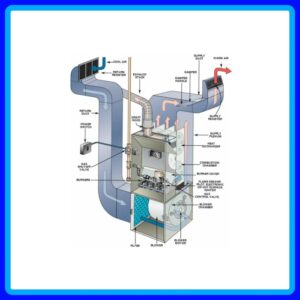
HVAC maintenance checklist is essential for ensuring your heating and cooling systems run efficiently throughout the year. Regular upkeep not only enhances energy efficiency but also extends the lifespan of your equipment, saving you money in the long run. From routine inspections to basic DIY tips, understanding the importance of HVAC maintenance can prevent costly repairs and improve your home’s air quality.
This checklist encompasses various tasks tailored for each season, helping homeowners stay on top of their maintenance needs. By being proactive, you can avoid common HVAC issues and ensure your system operates smoothly, enhancing comfort and reducing energy costs.
Importance of HVAC Maintenance
Regular HVAC maintenance is crucial for ensuring that heating, ventilation, and air conditioning systems operate efficiently and effectively. Neglecting this aspect can lead to higher energy bills, uncomfortable indoor environments, and even premature system failures. By committing to routine maintenance, homeowners and businesses can not only enhance comfort but also save money and extend the life of their HVAC systems.Maintaining HVAC systems on a regular basis increases energy efficiency, reduces the risk of unexpected breakdowns, and enhances the overall performance of the system.
Routine inspections and maintenance allow technicians to identify and address potential issues before they escalate into significant problems. This proactive approach contributes to smoother operation, improved air quality, and reduced energy consumption, ultimately leading to a more sustainable environment.
Energy Efficiency Benefits
Regular HVAC maintenance plays a vital role in maximizing energy efficiency. When systems are well-maintained, they operate at optimal efficiency levels. Key benefits include:
- Reduced Energy Costs: A well-maintained system can save 5-15% on energy bills as it operates more efficiently.
- Improved Air Quality: Regularly changing filters and cleaning components help eliminate dust, allergens, and pollutants from the air, creating a healthier indoor environment.
- Enhanced Comfort: Consistent maintenance ensures even temperature distribution and reliable airflow, which translates to improved indoor comfort.
Extended System Lifespan
Routine inspections and maintenance significantly extend the lifespan of HVAC systems. By identifying minor issues before they become major repairs, homeowners can avoid costly replacements. The impact of regular maintenance is evident in:
- Increased Longevity: Systems that receive regular care can last 15-20 years, significantly longer than neglected systems, which may fail in as little as 10 years.
- Lower Repair Costs: Preventative measures taken during maintenance can prevent large-scale repairs, resulting in overall savings.
- Consistent Performance: Regular maintenance ensures that systems operate smoothly, reducing the frequency and severity of breakdowns.
Performance Improvement Statistics
Statistics highlight the importance of HVAC maintenance in enhancing system performance. According to the U.S. Department of Energy:
- Proper maintenance can improve system efficiency by up to 30%.
- Regularly replaced filters can lower energy consumption by 5-15%.
- HVAC systems that receive annual professional maintenance have a 95% chance of operating efficiently throughout their lifespan.
By investing in regular HVAC maintenance, individuals and businesses alike can enjoy lower energy costs, improved air quality, and reduced environmental impact while ensuring their HVAC systems operate effectively and efficiently for years to come.
Comprehensive HVAC Maintenance Checklist
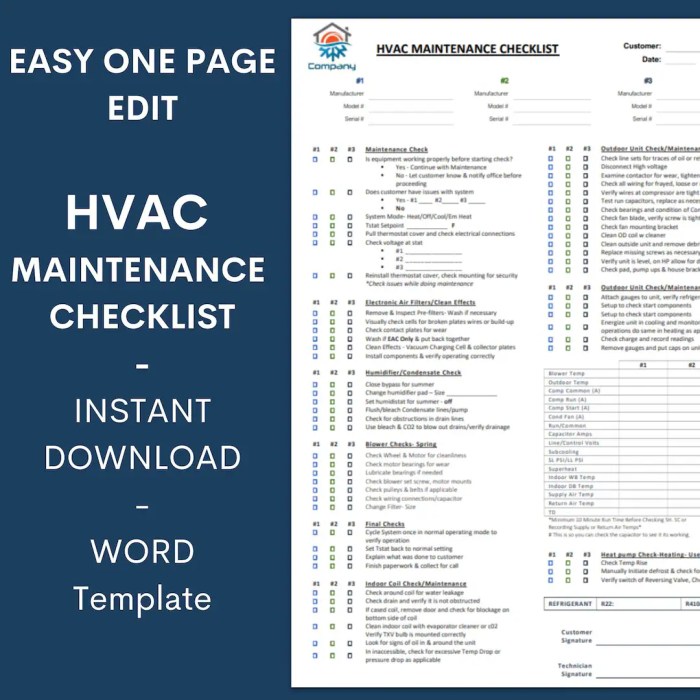
Regular HVAC maintenance is essential for maximizing the efficiency and longevity of your heating, ventilation, and air conditioning systems. By adhering to a structured maintenance checklist, you can mitigate potential issues, ensure optimal performance, and create a comfortable environment in your home or business. This checklist organizes HVAC maintenance tasks by season, making it easy to keep track of what needs to be done throughout the year.Seasonal maintenance tasks are crucial as they prepare your HVAC system for the varying demands of different weather conditions.
Each season presents unique challenges for your HVAC system, and staying proactive can prevent unexpected breakdowns. Below is a detailed checklist categorized by spring, summer, fall, and winter, along with effective methods for tracking maintenance activities and scheduling inspections.
Seasonal Maintenance Tasks
The following checklist breaks down the essential maintenance tasks per season, ensuring your HVAC system performs optimally year-round.
Spring Maintenance Tasks
As temperatures begin to rise, it’s important to prepare your cooling system for the demands of summer.
- Replace or clean the air filters to ensure proper airflow.
- Check and clean the condenser coils to enhance heat exchange efficiency.
- Inspect and clear any debris around outdoor units, including leaves and dirt.
- Test the thermostat for accurate temperature readings.
- Schedule a professional tune-up for comprehensive system checks.
Summer Maintenance Tasks
During the hottest months, your HVAC system works hard to keep your space cool.
- Monitor refrigerant levels and check for leaks.
- Inspect electrical components and connections for wear.
- Clean the evaporator coil for improved cooling efficiency.
- Ensure the drainage system is clear to prevent water damage.
- Check insulation on refrigerant lines for integrity.
Fall Maintenance Tasks
As temperatures drop, preparing your heating system becomes critical.
- Replace or clean air filters to ensure proper airflow.
- Inspect heating elements and test the system for functionality.
- Clean and adjust the blower components for optimal operation.
- Check the thermostat settings and functionality.
- Schedule a professional heating system inspection.
Winter Maintenance Tasks
In the coldest months, it’s important to ensure your heating system is reliable.
- Inspect and replace air filters regularly to maintain airflow.
- Check for airflow obstructions in vents and registers.
- Ensure that the flue for gas appliances is clear and functional.
- Monitor the humidity levels inside to prevent dryness.
- Perform a check on the ignition system for safe operation.
Tracking Maintenance Activities and Scheduling Inspections
Keeping track of maintenance activities is crucial for effective HVAC management. Implementing a tracking system can streamline this process and ensure timely inspections.
- Utilize a calendar system, either digital or physical, to mark maintenance tasks and inspections.
- Set reminders for seasonal checks and filter replacements to avoid delays.
- Keep a maintenance log that records all servicing dates, tasks performed, and any issues encountered.
- Consider using HVAC maintenance apps that can provide reminders and store your history in one place.
- Engage with HVAC professionals to set up regular service contracts that automate scheduling.
Regular maintenance not only extends the life of your HVAC system but also improves energy efficiency, saving you money in the long run.
Common HVAC Issues
Regular maintenance is crucial for the optimal performance of HVAC systems. Neglecting these systems can lead to various common issues that can compromise efficiency and comfort. Identifying these problems early can save homeowners from costly repairs and ensure a steady environment throughout the year.Several problems can arise when HVAC systems are not properly maintained. Recognizing the signs of these issues is vital for timely intervention, which can prevent further complications.
Here are some common HVAC issues that often stem from negligence:
Signs of Potential HVAC Issues
Understanding the symptoms of HVAC problems can help in taking proactive steps. Addressing these signs early can not only enhance comfort but also extend the lifespan of the system. Below are some prevalent indicators of potential HVAC issues:
- Strange Noises: Unusual sounds such as grinding, squeaking, or hissing can indicate mechanical problems or debris in the system.
- Inconsistent Temperatures: If certain rooms are noticeably colder or warmer than others, it may signify ductwork issues or a malfunctioning thermostat.
- Increased Energy Bills: A sudden spike in energy costs may suggest that the HVAC system is working harder than necessary, often due to inefficiencies or malfunctions.
- Bad Odors: Unpleasant smells, especially a burnt odor, could indicate overheating components or mold growth within the system.
- Frequent Cycling: If the system turns on and off more frequently than usual, it may reflect problems with the thermostat or the system itself.
The importance of early detection and resolution of HVAC problems cannot be overstated. Not only does it prevent further damage, but it also enhances the efficiency of the system, leading to lower energy costs and improved comfort levels.
Early intervention in HVAC issues can save homeowners up to 30% on repair costs.
Regularly observing and addressing these signs can help maintain an efficient and effective HVAC system, ensuring comfort in both heating and cooling seasons. Recognizing these common issues is the first step in maintaining an optimal and reliable HVAC system.
DIY HVAC Maintenance Tips
Regular HVAC maintenance not only helps to prolong the lifespan of your system but also enhances its efficiency, leading to lower energy costs. Homeowners can perform several basic maintenance tasks that are often simple yet beneficial. By taking a few hours each season to conduct maintenance, you can ensure that your HVAC system runs smoothly year-round.To get started with DIY HVAC maintenance, it’s essential to familiarize yourself with the main components of your system.
This knowledge will help you perform tasks effectively while also understanding when it’s necessary to call in a professional. Below are some straightforward steps you can follow to maintain your HVAC system, focusing on changing air filters and cleaning outdoor units.
Changing Air Filters
The air filter in your HVAC system plays a critical role in maintaining good air quality and system efficiency. Clogged filters can restrict airflow, leading to increased energy consumption and potential system damage. Regularly changing your air filters can improve air quality and help your HVAC system operate efficiently. Follow these steps:
1. Turn Off Your HVAC System
Before you begin, ensure that your HVAC system is turned off to avoid any accidents.
2. Locate the Air Filter
Depending on your system, the air filter may be located in the return air duct or the furnace/air handler unit.
3. Remove the Old Filter
Carefully slide out the old filter; take note of the direction of airflow indicated by arrows on the filter’s frame.
4. Check the Size
If you’re unfamiliar with the size, look for a label on the old filter that indicates its dimensions.
5. Insert the New Filter
Place the new filter in the same orientation as the old one, ensuring the airflow direction is consistent.
6. Secure the Access Panel
If your filter is located behind a panel, make sure it is properly secured after replacing the filter.
7. Turn on the HVAC System
Once everything is in place, turn your HVAC system back on.
Cleaning Outdoor Units
Outdoor units can accumulate dirt, leaves, and debris over time, which can hinder their efficiency. Cleaning the outdoor unit is a straightforward task that can significantly impact your HVAC’s performance. Here’s how to do it:
1. Turn Off Power
Always disconnect power to the unit for safety.
2. Clear Debris
Remove any leaves, branches, or debris surrounding the unit. Aim for a clearance of at least 2 feet around the sides.
3. Clean the Coils
Gently rinse the coils using a garden hose; avoid using a pressure washer as it can bend the fins. If there’s significant dirt buildup, consider using a commercially available coil cleaner.
4. Check the Fins
Inspect the fins for bends or damage. If fins are bent, use a fin comb to straighten them gently.
5. Level the Unit
Check that the outdoor unit is level; an unlevel unit can lead to drainage issues.
6. Reconnect Power
Once everything is clean and secured, restore power to the unit.
Safety Precautions
When performing DIY maintenance tasks, it’s crucial to prioritize safety. Follow these precautions to ensure a safe experience:
Wear Safety Gear
Use gloves, safety goggles, and a dust mask when working on your HVAC system to protect yourself from dust and debris.
Use Proper Tools
Ensure you have the right tools for the job, such as screwdrivers, wrenches, and a vacuum cleaner for dust removal.
Avoid Electrical Hazards
Always turn off power to the HVAC unit before beginning any maintenance work. If you’re not comfortable working with electrical components, seek professional assistance.
Read the Manual
Familiarize yourself with your HVAC system’s manual. It contains vital information on maintenance and safety specific to your unit.
Be Cautious with Chemicals
If using chemical cleaners, ensure proper ventilation and follow the manufacturer’s instructions.By following these DIY HVAC maintenance tips, homeowners can maintain an efficient and effective HVAC system, ensuring comfort throughout the year while minimizing repair costs.
Professional HVAC Maintenance Services
Professional HVAC maintenance services are essential for ensuring the optimal performance, efficiency, and longevity of your heating, ventilation, and air conditioning systems. By enlisting the help of trained technicians, you can address potential issues before they escalate into costly repairs. These professionals conduct comprehensive assessments and perform necessary maintenance tasks that might be beyond the scope of typical DIY efforts.During a professional HVAC maintenance service, you can expect a thorough inspection and various tasks aimed at keeping your system running smoothly.
Technicians often perform the following steps as part of their service:
What to Expect During a Professional HVAC Maintenance Service
The process usually involves multiple stages, each designed to enhance the efficiency and reliability of your HVAC system. Key components of the service include:
- Comprehensive Inspection: Technicians will inspect the entire system, including ductwork, refrigerant levels, electrical connections, and mechanical components.
- Cleaning: Dust and debris can accumulate in various parts of the system, so thorough cleaning of coils, filters, and blower components is essential.
- Thermostat Calibration: Ensuring that the thermostat is correctly calibrated optimizes energy usage and comfort levels in your home.
- Lubrication: Parts like fans and motors need lubrication to function efficiently and minimize wear over time.
- Performance Testing: After maintenance tasks, technicians perform tests to ensure the system operates as expected, checking airflow, temperature differentials, and energy consumption.
The detailed inspection and maintenance not only enhance performance but also provide peace of mind knowing that your HVAC system is in good hands.
Cost Versus Benefits of Professional Maintenance
When comparing the costs of professional HVAC maintenance to DIY maintenance tasks, it’s crucial to weigh the benefits against the financial investment.
- Cost of Professional Service: Typically, professional maintenance services can range from $100 to $300 per visit, depending on the complexity of your system and the specific tasks performed.
- Long-Term Savings: Regular professional maintenance can reduce energy bills by 10-30% due to improved efficiency, offsetting the initial costs.
- Extended Equipment Lifespan: Systems that receive regular professional care can last significantly longer, averaging 15-20 years compared to 10-15 years for poorly maintained units.
- Reduced Repair Costs: Early identification and resolution of minor issues can prevent larger, costlier repairs down the line.
Investing in professional HVAC maintenance ultimately leads to enhanced performance, reduced energy costs, and extended equipment longevity, making it a more economical choice in the long run.
Choosing the Right HVAC Maintenance Service Provider
Selecting the right HVAC service provider is crucial for obtaining quality maintenance. Here are factors to consider when making your choice:
- Certifications and Licenses: Ensure the provider is licensed and certified, verifying their qualifications and adherence to industry standards.
- Experience: Look for companies with a proven track record and experience in handling your specific HVAC system type.
- Customer Reviews: Checking customer testimonials and reviews can offer insight into the reliability and quality of service provided.
- Service Agreements: Many providers offer maintenance plans that can save you money and provide peace of mind through regular service intervals.
- Response Time: A reputable service provider should have prompt response times for emergencies, ensuring your HVAC issues are addressed swiftly.
By carefully considering these factors, you can choose a reputable HVAC maintenance service that meets your needs and ensures your system operates efficiently for years to come.
Green Living and HVAC Efficiency
Energy-efficient HVAC systems play a crucial role in promoting green living by reducing energy consumption and minimizing environmental impact. As we strive for a more sustainable future, understanding how these systems work can empower individuals and businesses to make conscious decisions that benefit both their wallets and the planet.The efficiency of HVAC systems directly correlates with their energy usage, which affects greenhouse gas emissions.
Energy-efficient systems consume less power, leading to reduced reliance on fossil fuels. By opting for high-efficiency units and maintaining them properly, homeowners can significantly lower their carbon footprint. Additionally, the integration of renewable energy sources can further enhance HVAC systems’ efficiency.
Optimizing HVAC Performance
Improving HVAC performance not only enhances comfort but also contributes to environmental sustainability. Here are some effective tips to optimize your HVAC system:
- Regular Maintenance: Schedule routine checks and maintenance for your HVAC system to ensure it operates efficiently. This includes cleaning filters, checking ducts, and servicing the unit.
- Seal Leaks: Inspect and seal any leaks in ductwork to prevent conditioned air from escaping, which can lead to increased energy consumption.
- Upgrade Insulation: Proper insulation in your home can significantly reduce the workload on your HVAC system, resulting in lower energy usage.
- Smart Thermostats: Install smart thermostats that can automatically adjust heating and cooling based on your schedule, optimizing energy use while maintaining comfort.
- Utilize Ceiling Fans: Use ceiling fans to circulate air, allowing you to set your thermostat a few degrees higher in summer and lower in winter without sacrificing comfort.
“A well-maintained HVAC system can save homeowners 10-30% on energy bills.”
Smart Thermostats and Renewable Energy
Smart thermostats represent a significant advancement in HVAC technology, offering users the ability to control their systems remotely and more intelligently. These devices learn user behavior over time, optimizing energy consumption and providing savings on utility bills.Renewable energy sources, such as solar panels, further enhance HVAC system efficiency. When combined with energy-efficient HVAC units, solar energy can power heating and cooling systems with significantly lower environmental impact.
This synergy not only fosters a greener lifestyle but also promotes long-term savings.Incorporating smart technologies and renewable energy sources into your HVAC system can transform your home into an energy-efficient haven, aligning your living space with environmentally-friendly practices.
Home Inspections and HVAC Considerations
When purchasing a home, it’s essential to thoroughly inspect all systems, especially the HVAC. An efficient HVAC system not only ensures comfort but also plays a significant role in the property’s value. A well-maintained system can enhance buyer appeal, while a neglected one can deter potential buyers or significantly lower offers. Understanding HVAC components during inspections is crucial for both buyers and sellers.
The HVAC system influences the overall home value and can affect buyer decisions substantially. Buyers often consider the age and condition of the HVAC system when evaluating a property. A newer, energy-efficient HVAC system can be a strong selling point, while an outdated system might raise red flags. Maintenance history and energy efficiency ratings can also play a role in negotiations, ultimately impacting the sale price.
HVAC Aspects to Examine During Home Inspections
During a home inspection, various components of the HVAC system should be evaluated to gauge its condition and efficiency. This not only aids in determining the system’s functionality but also informs potential buyers about future maintenance or replacement needs. Here are crucial aspects to check:
- System Age: Determine how old the HVAC system is. Older systems may require replacement soon, impacting buyer decisions.
- Maintenance Records: A well-documented maintenance history indicates the system has been cared for and can provide valuable insights into its reliability.
- Energy Efficiency Ratings: Review the SEER (Seasonal Energy Efficiency Ratio) and AFUE (Annual Fuel Utilization Efficiency) ratings; higher ratings suggest better energy efficiency.
- Air Quality: Inspect for proper filtration systems and airflow, ensuring the system provides clean and healthy air.
- Visible Damage: Look for signs of wear and tear, corrosion, or leaks in ductwork or units, which can indicate potential issues.
- Thermostat Functionality: Ensure that thermostats are functioning correctly and that temperature settings are accurate.
For homebuyers, it’s essential to have a checklist related to HVAC system conditions to ensure a comprehensive evaluation. Assessing these aspects can lead to informed decisions and potentially prevent costly repairs or replacements shortly after purchase.
HVAC System Condition Checklist for Homebuyers
Here’s a helpful checklist for prospective homebuyers to evaluate the HVAC system before making a purchase:
- Check the age of the HVAC system and inquire about its expected lifespan.
- Request maintenance records to review the frequency and type of services performed.
- Evaluate the energy efficiency ratings and compare them with current standards.
- Inspect the air filters and ducts for cleanliness and possible obstructions.
- Assess the functionality of the thermostat and any additional climate control devices.
- Look for any signs of leaks, rust, or mold around HVAC units and ductwork.
“A thorough HVAC inspection can save homebuyers thousands in potential repair costs.”
Integrating HVAC into House Plans
Incorporating a well-thought-out HVAC system into your home design is pivotal for ensuring comfort, energy efficiency, and long-term performance. Not only does proper HVAC design contribute to a pleasant living environment, but it also optimizes energy use, potentially lowering utility bills and enhancing home value.A well-planned HVAC system begins in the design phase of construction. It’s essential to assess factors such as the size of the home, local climate, and intended use of spaces when determining the HVAC requirements.
Proper sizing and placement of HVAC units can greatly influence the system’s effectiveness and efficiency.
Considerations for HVAC Design in New Homes
Several key factors should be considered to achieve an efficient HVAC layout that maximizes energy conservation and comfort:
- Load Calculation: Conducting a detailed load calculation helps determine the appropriate HVAC system size. This involves assessing factors such as insulation levels, window sizes, and the layout of living spaces.
- Zone Design: Implementing a zoned HVAC system allows for customized temperature control in different areas of the house. This enhances comfort while reducing energy use in unoccupied spaces.
- Optimal Placement: Position HVAC equipment strategically to minimize ductwork length and reduce energy losses. Common placements include the attic for central air systems or exterior walls for wall-mounted units.
- Airflow Considerations: Ensure adequate airflow by placing vents away from obstructions, such as furniture or drapes. This promotes efficient heating and cooling throughout the home.
- Ventilation Design: Incorporating mechanical ventilation systems, such as energy recovery ventilators (ERVs), can significantly improve indoor air quality while conserving energy.
“Proper HVAC design can reduce energy consumption by up to 30% while enhancing indoor comfort.”
Efficient HVAC layouts can also include features like ductless mini-splits, which eliminate the need for extensive ductwork, and smart thermostats that allow for precise temperature control based on occupancy patterns. Additionally, designing for future upgrades, such as solar panels or smart home technologies, can enhance the home’s overall efficiency and sustainability.By integrating these elements into the house plans, homeowners can achieve a harmonious balance between comfort, energy efficiency, and environmental responsibility.
Closing Summary
In conclusion, a well-maintained HVAC system is crucial for a comfortable living environment and can lead to significant savings on energy bills. By following the HVAC maintenance checklist and staying informed about potential issues, you can ensure your system operates efficiently and effectively. Remember, whether you choose to handle maintenance yourself or hire a professional, staying proactive is the key to a long-lasting HVAC system.
FAQ Section
How often should I perform HVAC maintenance?
It’s recommended to perform HVAC maintenance at least twice a year, ideally in spring and fall.
Can I do HVAC maintenance myself?
Yes, many basic maintenance tasks, such as changing air filters and cleaning outdoor units, can be done by homeowners.
What are the signs my HVAC system needs repair?
Common signs include unusual noises, inconsistent temperatures, and increased energy bills.
Is professional HVAC maintenance worth the cost?
Yes, professional maintenance can prevent major issues and improve system efficiency, often saving you money in repairs.
What should I check during a home inspection related to HVAC?
Look for the age of the system, maintenance history, and any signs of wear or inefficiency.