
Certified home inspector near me shines a light on a crucial aspect of home buying and ownership that often goes unnoticed. Engaging a certified home inspector can be a game-changer, ensuring that your investment is sound and secure. From understanding their qualifications to the technology they use, it’s essential to grasp how these professionals add value to your property journey.
As you embark on the home inspection process, knowing what to expect and how to find the right inspector can make all the difference. With insights into the advantages of hiring certified experts, this guide aims to provide a comprehensive overview that empowers you to make informed decisions about your home.
Understanding the Role of a Certified Home Inspector
A certified home inspector plays a vital role in the real estate process, ensuring that buyers and sellers have a clear understanding of a property’s condition. This professional assesses various aspects of a home, from its structural integrity to the functionality of its systems, providing an essential service that can influence a real estate transaction. Certified home inspectors are generally required to have specific qualifications and certifications that verify their expertise.
Most states require home inspectors to complete a certain number of training hours and pass an exam to obtain a license. In addition to state requirements, many professionals choose to become certified through organizations like the International Association of Certified Home Inspectors (InterNACHI) or the American Society of Home Inspectors (ASHI). These certifications often require ongoing education and adherence to a strict code of ethics, ensuring inspectors stay updated on industry standards and best practices.
Qualifications and Certifications for Home Inspectors
The path to becoming a certified home inspector includes various educational and training requirements. Here are key qualifications typically needed in the industry:
- Completion of a training program: Many inspectors start by enrolling in a comprehensive training course that covers essential topics such as property inspection methods, building codes, and safety protocols.
- State licensing: Most states mandate that home inspectors obtain a license, which usually involves passing a state-administered examination.
- Professional certification: Many inspectors pursue certification from recognized organizations to enhance their credibility, often requiring additional exams and continuing education.
Duties and Responsibilities of a Home Inspector
The responsibilities of a certified home inspector encompass a broad range of tasks. Their primary duty is to evaluate the condition of a property and identify any issues that could affect its value or safety. Key responsibilities include:
- Conducting thorough inspections of various components of a home, including the roofing, plumbing, electrical systems, and appliances.
- Documenting findings in a detailed report that Artikels any issues discovered during the inspection, along with recommendations for repairs.
- Providing clients with insights about maintenance needs and potential upgrades to improve the property’s value.
Tools and Technology Used by Certified Home Inspectors
Certified home inspectors utilize a variety of tools and technologies to conduct thorough evaluations of properties. The following tools are commonly employed in their inspections:
- Digital cameras: Inspectors use high-resolution cameras to document the condition of various areas within the home, creating a visual record for their reports.
- Moisture meters: These devices measure the moisture levels in walls and other surfaces, helping to identify potential water damage or mold issues.
- Infrared thermometers: By measuring surface temperatures, inspectors can detect energy inefficiencies, such as heat loss through windows or walls.
- Home inspection software: Many inspectors use specialized software to create detailed reports, including photos and notes, streamlining the documentation process.
Benefits of Hiring a Certified Home Inspector
The process of buying a home can be both exciting and daunting. One crucial step that can significantly impact your investment is hiring a certified home inspector. Their expertise not only provides you with peace of mind but also plays a vital role in safeguarding your investment and ensuring your new home meets safety and quality standards.A certified home inspector brings a wealth of knowledge to the table, enabling home buyers to make informed decisions.
Their comprehensive evaluations cover various aspects of the property, identifying potential issues that may not be visible to the untrained eye. This detailed assessment is essential for understanding the true condition of the home and can be pivotal in negotiating the buying price or deciding whether to proceed with the purchase.
Advantages of Hiring a Certified Home Inspector for Home Buyers
Investing in a certified home inspector offers numerous advantages for prospective home buyers. Here are some key benefits:
- Thorough Assessments: Certified inspectors conduct detailed evaluations, covering structural elements, plumbing, electrical systems, and more. This thoroughness helps uncover hidden problems that may lead to costly repairs in the future.
- Negotiation Leverage: Discovering issues through an inspection can provide buyers with leverage during negotiations. If significant repairs are identified, buyers can request a reduction in the purchase price or ask the seller to make necessary repairs before closing.
- Safety Assurance: Certified inspectors prioritize safety. They identify potential hazards, such as faulty wiring or structural deficiencies, which can pose risks to the occupants. This assurance contributes to the overall safety of the home.
- Future Planning: A comprehensive inspection report allows buyers to budget for future repairs and maintenance. Knowing which areas require attention can help in planning the upkeep of the property.
Impact of Certified Home Inspection on Property Value
The role of a certified home inspector extends beyond immediate assessments; it also significantly affects the property’s long-term value. An inspection can reveal underlying issues that may not only deter potential buyers but also decrease the property’s market value. Here are some insights:
- Transparency in Transactions: Buyers appreciate transparency, and an inspection report can demonstrate that the seller is upfront about the condition of the property. This can enhance trust and potentially lead to a smoother transaction.
- Marketability of the Property: Homes that have undergone a certified inspection often stand out in the market. Sellers who can present a clean bill of health for their property are more likely to attract buyers, leading to a quicker sale.
- Value Retention: Regular inspections and timely repairs facilitated by certified inspectors contribute to the overall maintenance of the property, helping to retain or even increase its value over time.
Prevention of Future Costly Repairs
One of the most significant benefits of hiring a certified home inspector is the potential to prevent future costly repairs. Identifying issues early on can save homeowners a substantial amount of money in the long run. Here’s how:
- Early Detection of Issues: Certified inspectors have the expertise to spot minor problems before they escalate into major concerns. For instance, a small roof leak detected during an inspection can be repaired for a fraction of the cost compared to dealing with extensive water damage later on.
- Operational Efficiency: Inspectors also assess the efficiency of systems such as heating and cooling. Understanding inefficiencies can help homeowners make informed decisions about upgrades that save money on energy bills.
- Avoiding Major Repairs: By highlighting areas needing attention, certified inspectors help homeowners prioritize repairs, preventing situations where neglect leads to catastrophic failures, such as plumbing bursts or electrical fires.
Finding a Certified Home Inspector Near You
When it comes to buying or selling a home, finding a certified home inspector in your area is essential to ensure you’re making a sound investment. A thorough inspection can uncover potential issues that may not be visible at first glance. Here’s how to effectively locate a certified home inspector nearby.Searching for certified home inspectors can be done through various methods, each providing unique insights into their qualifications and reliability.
Leveraging online resources and personal recommendations is crucial in this process.
Methods for Searching
Start your search for local certified home inspectors by utilizing a combination of online tools and community resources. Here are some effective methods:
- Online Directories: Websites such as the American Society of Home Inspectors (ASHI) or the International Association of Certified Home Inspectors (InterNACHI) allow you to search for inspectors by zip code, ensuring you find qualified professionals in your area.
- Local Real Estate Agents: Connecting with real estate agents can provide invaluable insights, as they often have established relationships with reputable inspectors and can recommend trusted professionals.
- Social Media Groups: Platforms like Facebook have local buy-and-sell groups or community pages where members can share recommendations and experiences with inspectors.
- Word of Mouth: Asking friends, family, or colleagues for referrals can lead you to highly-rated inspectors who have been vetted through personal experience.
Evaluating Reviews and Ratings
Once you have a list of potential inspectors, assessing their reviews and ratings is essential for determining their credibility. Pay attention to the following aspects:
- Overall Rating: Look for inspectors with high overall ratings on platforms like Google, Yelp, or Angie’s List, as these scores typically reflect consistent quality of service.
- Recency of Reviews: Recent reviews can give you a better understanding of current practices and whether the inspector maintains a good standard of service.
- Specific Feedback: Read through reviews for specific comments about the inspector’s thoroughness, professionalism, and ability to communicate findings to clients.
- Response to Criticism: Take note of how the inspector responds to negative reviews, as it can indicate their commitment to customer service and resolution of issues.
Checklist of Questions to Ask
When you narrow down your options, a checklist of questions can help you gauge the expertise and fit of potential home inspectors. Consider asking the following:
- What certifications do you hold, and which organizations are you affiliated with?
- How many inspections have you performed, and can you provide references from recent clients?
- What is included in your inspection report, and how long will it take to receive it after the inspection?
- Do you offer any warranties or guarantees for your inspections?
- What is your fee structure, and are there any additional costs for specific services?
The Home Inspection Process
A home inspection is an essential step in the real estate transaction process, providing buyers with a comprehensive assessment of a property’s condition. Understanding what to expect during the home inspection process can help homeowners feel more prepared and informed. This guide Artikels the typical stages of a home inspection, common issues that inspectors identify, and tips for homeowners to get ready for the inspection.
Step-by-Step Process of a Typical Home Inspection
The home inspection process usually unfolds in a structured manner. Below are the key steps involved:
1. Scheduling the Inspection
The process begins with the buyer or their agent scheduling an inspection with a certified home inspector.
2. Initial Meeting
Upon arrival, the inspector will meet with the homeowner and provide an overview of what the inspection will entail.
3. Exterior Inspection
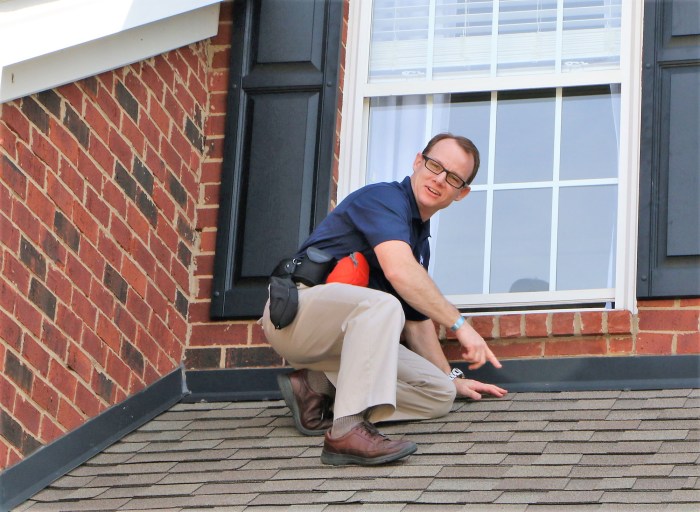
The inspector examines the outside of the property, looking at aspects such as the roof, siding, foundation, and landscaping.
4. Interior Inspection
Inside the home, the inspector assesses rooms, walls, windows, floors, and ceilings for any signs of issues.
5. Systems Evaluation
The inspector checks major systems, including plumbing, electrical, heating, and cooling, to ensure they are functioning properly.
6. Appliance Checks
Built-in appliances are tested to confirm that they are operational.
7. Documentation
The inspector takes notes and photographs throughout the process for use in the final report.
8. Final Review
After the examination, the inspector may discuss preliminary findings with the homeowner.
9. Reporting
A detailed report is compiled, outlining the findings and any recommended repairs or further evaluations needed.
Common Issues Inspectors Look For
Inspectors are trained to identify a variety of issues that may affect the safety and value of a home. Here are some common problems they look for:
Roof Damage
Inspectors check for missing shingles, leaks, or structural issues.
Water Damage
Signs of past water damage, mold, or leaks in plumbing are noted.
Electrical Problems
Outdated wiring, overloaded circuits, or exposed wires can be red flags.
HVAC Issues
The heating and cooling systems are evaluated for efficiency and safety.
Foundation Problems
Cracks or settling in the foundation can indicate serious structural concerns.
Pest Infestation
Evidence of pests such as termites or rodents may be identified.
Poor Insulation
Inspectors assess insulation levels in attics and walls to ensure energy efficiency.
Safety Hazards
Handrails, smoke detectors, and other safety features are checked for compliance.
Preparing for a Home Inspection
Proper preparation for a home inspection can help facilitate a smoother process and potentially avoid any surprises. Here are some tips for homeowners:
Declutter
Remove any clutter from areas that the inspector will need to access, such as attics, basements, and utility rooms.
Access Points
Ensure all areas, including crawl spaces and attics, are accessible without obstruction.
Provide Documentation
Make available any repair records, warranties, or manuals for systems and appliances.
Address Minor Repairs
Fixing small issues like leaky faucets or squeaky doors beforehand can create a positive impression.
Communicate
Share any concerns or known issues with the inspector to ensure they are properly addressed during the inspection.
Be Available
Being present during the inspection allows homeowners to ask questions and gain insights into the property’s condition.By understanding the home inspection process and preparing effectively, homeowners can help ensure a thorough and efficient inspection.
Importance of Home Furniture in Inspections
The condition and arrangement of furniture in a home play a significant role during a home inspection. While we often focus on structural and systemic elements of a home, it’s essential to recognize how furniture impacts the overall assessment of a property’s condition. Understanding this relationship can help buyers and sellers alike appreciate the nuances of home inspections better.
Impact of Furniture Condition on Inspection Outcomes
The state of home furniture can provide valuable insights into the overall maintenance and care of a property. For instance, well-maintained furniture often signifies that the homeowner takes pride in their living space, reflecting a general culture of upkeep. Conversely, worn-out or damaged furniture might suggest neglect, which could extend to other aspects of the home.
Furthermore, during inspections, furniture can obstruct access to critical areas that need evaluation, such as electrical panels, plumbing systems, and HVAC units. If these areas are not accessible due to bulky or improperly placed furniture, the inspector may not provide a comprehensive assessment. This lack of access can lead to missed issues that could become significant problems in the future.
Furniture Placement and Inspection Accessibility
The arrangement of furniture plays a crucial role in how effectively an inspector can evaluate a property. Properly positioned furniture allows for easier access to vital areas that require thorough examination. Here are some points illustrating this relationship:
- Clear Pathways: Ensuring that there is enough space around furniture for inspectors to move safely can facilitate a more efficient inspection process.
- Access to Utilities: Furniture blocking access to areas like utility closets or under-sink plumbing may prevent the inspector from identifying potential issues.
- Visibility of Structural Elements: Furniture that is too close to walls or ceilings can obscure important structural components, such as cracks or water damage.
When homeowners are proactive about arranging their furniture, they help create an environment where inspections can be thorough and effective, potentially saving them from unexpected repairs down the line.
Furniture Quality as an Indicator of Home Maintenance
The quality of furniture found within a home can reflect the attention and care given to the property as a whole. High-quality, well-kept furniture often points to homeowners who prioritize maintenance not only in their aesthetic choices but also in structural upkeep. Here are some considerations regarding furniture quality and its implications for home maintenance:
- Durability: Well-crafted furniture made from quality materials typically indicates a homeowner’s investment in long-lasting solutions, suggesting they might also be attentive to other home maintenance areas.
- Wear and Tear: Signs of significant damage or neglect in furniture can hint at broader issues within the home, such as lack of regular maintenance or repairs.
- Style Trends: An outdated or mismatched furniture selection may point to a homeowner’s disinterest in home improvement, possibly reflecting their overall approach to property care.
In summary, the condition and placement of furniture are more than just aesthetics; they can significantly influence how a home inspection is conducted and interpreted. Homebuyers and sellers should be aware of this interplay, as it can affect both perceptions and realities of a property’s condition.
Green Living and Home Inspections
In today’s environmentally conscious world, the significance of green living is ever-increasing. As more homeowners opt for eco-friendly features, understanding how these elements influence home inspections becomes crucial. A certified home inspector assesses not only the structural integrity of a home but also its environmental performance, which can significantly affect the overall value and livability of the property.The integration of eco-friendly features into homes has changed the landscape of home inspections.
Inspectors now pay close attention to energy-efficient installations and sustainable materials, which require specialized knowledge and expertise. This modern approach to home inspections ensures that the eco-friendly benefits are correctly evaluated and documented, providing homeowners with a comprehensive understanding of their property’s performance.
Impact of Eco-Friendly Features on Home Inspections
The inclusion of eco-friendly features necessitates a different set of inspection criteria compared to traditional homes. Inspectors look for a variety of elements to determine how well the home performs in terms of energy efficiency and sustainability. Key aspects include:
- Solar Panel Systems: Inspectors assess the condition and installation of solar panels, ensuring they are functioning correctly and efficiently converting sunlight into energy.
- Green Roofs: These roofs, covered in vegetation, must be inspected for proper drainage and plant health to ensure they serve their environmental purpose.
- Insulation Materials: The type and quality of insulation used directly impact a home’s energy efficiency and comfort level, requiring thorough evaluation.
- Water Conservation Systems: Rainwater harvesting systems and greywater recycling setups need inspection to ensure compliance with local regulations and effective operation.
- Energy-Efficient Windows: The inspection of windows includes checking for proper sealing, frame material, and energy rating certifications.
Importance of Inspecting Energy-Efficient Appliances
Energy-efficient appliances play a vital role in reducing a home’s carbon footprint and lowering utility costs. During an inspection, it is essential to evaluate these appliances for several reasons:
- Performance Assessment: Inspectors ensure that appliances are functioning as intended and meeting their energy efficiency ratings.
- Age and Condition: The lifespan of energy-efficient appliances can vary, and a thorough assessment helps determine if replacements are needed.
- Compliance with Standards: Inspectors verify that appliances meet local energy use regulations and standards, which can influence resale value.
Inspection Needs: Traditional Homes vs. Green Homes
When comparing traditional homes to green homes, the inspection needs diverge significantly. The conventional home inspection focuses primarily on structural integrity and safety issues, whereas green homes require a more nuanced approach. Key differences in inspection needs include:
- Specialized Knowledge: Green homes often incorporate complex systems and materials that require inspectors to have additional training and knowledge.
- Performance Metrics: Inspectors must assess the energy efficiency of a green home, looking at metrics like HERS scores or energy modeling.
- Long-Term Sustainability: Beyond immediate repairs, green homes are evaluated for their long-term environmental impact and sustainability practices.
Heating and Air Conditioning Systems Inspection
A thorough inspection of heating and air conditioning systems (HVAC) is crucial for maintaining a comfortable and safe living environment. These systems play a significant role in the overall functionality of a home, directly impacting energy efficiency, indoor air quality, and comfort levels. Understanding the common inspection points and potential issues can help homeowners make informed decisions regarding maintenance and repairs.The HVAC inspection process focuses on several critical areas to ensure that the systems are operating efficiently and safely.
This includes checking for proper airflow, inspecting ductwork, evaluating system performance, and assessing the unit’s overall condition. Additionally, understanding HVAC efficiency is vital as it not only affects energy bills but also contributes to the longevity of the system and the comfort of the home.
Common Inspection Points for HVAC Systems
During a heating and air conditioning inspection, several essential components are evaluated to determine their functionality and efficiency. Key inspection points include:
- Thermostat Functionality: Ensuring that the thermostat is accurately reading temperatures and controlling the system appropriately is fundamental for operational efficiency.
- Air Filters: Inspecting air filters for dirt and blockage is critical since dirty filters can hinder airflow and reduce system efficiency.
- Ductwork Integrity: Inspecting ductwork for leaks, damage, or inadequate insulation helps ensure that conditioned air is distributed effectively throughout the home.
- System Components: Evaluating components such as the compressor, evaporator coils, and heat exchangers for signs of wear or damage is essential for maintaining performance.
- Piping and Connections: Checking refrigerant lines for leaks and ensuring proper insulation on piping is vital for system efficiency and longevity.
Significance of HVAC Efficiency in Home Inspections
HVAC efficiency is critical for several reasons. When an HVAC system operates efficiently, it not only lowers energy consumption but also directly impacts the comfort of the home. Homeowners can experience significant cost savings on their energy bills, as efficient systems consume less energy while providing the same level of comfort. Furthermore, an efficient HVAC system can enhance indoor air quality by reducing the accumulation of dust and allergens.
“An efficient HVAC system can reduce energy bills by up to 30%, contributing to both environmental sustainability and economic savings.”
Typical Issues Found in HVAC Systems During Inspections
Several common issues often arise during HVAC inspections that can affect system performance and efficiency. Recognizing these issues early can prevent costly repairs down the line. Typical problems include:
- Refrigerant Leaks: Leaks can lead to reduced cooling efficiency and system failure, making it crucial to identify and repair them promptly.
- Dirty Coils: Accumulated dirt on condenser and evaporator coils can significantly decrease system efficiency and increase energy costs.
- Faulty Components: Malfunctioning parts, such as compressors, fans, or motors, can lead to improper functioning and increased wear on the system.
- Improper Sizing: An incorrectly sized HVAC system can lead to increased energy costs and inadequate heating or cooling, as systems that are too large or small do not operate efficiently.
- Improper Installation: Poor installation practices can result in inefficiencies and frequent repairs, emphasizing the importance of hiring certified professionals for installation and maintenance.
House Plans and Their Impact on Inspections
The design and layout of a house significantly influence the outcomes of home inspections. Different house plans can present unique challenges and considerations for inspectors, impacting their assessments of a home’s condition and structural integrity. Understanding these factors can help potential homeowners make informed decisions during their purchasing journey.Various house plans come with distinct features that can either enhance or undermine structural integrity.
For instance, open floor plans may allow for greater flexibility and natural light but can present challenges regarding load-bearing walls and overall stability. Conversely, traditional layouts might offer more predictable structural qualities but could face issues with outdated building codes. The design and layout directly affect not only the aesthetic appeal of a home but also its functionality and safety.
Common House Plan Flaws Encountered by Inspectors
Inspectors frequently encounter specific flaws that arise from particular house plans. Recognizing these issues is crucial in evaluating a home’s true condition. Below are some prevalent problems linked with various architectural designs:
- Poor Load Distribution: In homes with expansive open spaces, such as great rooms, the absence of adequate support beams may lead to sagging floors or even structural failure.
- Inadequate Ventilation: Designs that limit airflow, particularly in attics or basements, can result in moisture buildup, leading to mold and wood rot.
- Improper Drainage: Houses built on a slope without appropriate drainage solutions can experience water pooling, causing foundation issues over time.
- Insufficient Insulation: Some modern designs prioritize aesthetics over functionality, resulting in poorly insulated walls that compromise energy efficiency.
- Complicated Roof Designs: Roofs with multiple angles and protrusions are more prone to leaks, especially if not constructed to high standards.
Understanding these potential flaws allows both home inspectors and prospective buyers to address issues early in the home-buying process. By recognizing how house plans influence inspections, homeowners can make educated decisions and better understand the condition and longevity of their investment.
Summary
In summary, the role of a certified home inspector near me is not just about checking off a list of items; it’s about ensuring the safety and longevity of your home. By understanding the inspection process and recognizing the value that these professionals bring, you can navigate the complexities of home ownership with confidence. Ultimately, investing in a quality home inspection paves the way for a more secure living environment and peace of mind.
FAQ Explained
What qualifications should a certified home inspector have?
A certified home inspector should have completed relevant training programs, passed an exam, and often hold certifications from recognized organizations.
How long does a typical home inspection take?
A typical home inspection usually takes 2 to 4 hours, depending on the size and condition of the property.
Can I attend the home inspection?
Yes, it’s highly encouraged for homebuyers to attend the inspection to learn about the property and ask questions directly.
What is included in a home inspection report?
A home inspection report typically includes findings on structural integrity, electrical systems, plumbing, HVAC, and any safety concerns.
How much does a home inspection cost?
The cost of a home inspection can vary widely but typically ranges from $300 to $500, depending on the property’s size and location.


